Frond villa types and what they mean for a renovation
The frond villas are usually grouped into types such as Signature, Garden and Canal Cove, which differ in plot, size, layout and how they meet the water. Larger villas tend to have more generous living areas and direct beach frontage, while others are more compact or arranged around courtyards and gardens.
Many frond villas have now been lived in for years, and owners often find the original layout, kitchens, bathrooms and services no longer suit how they want to live. Because the villas were built to a set of standard designs, a careful survey of your particular villa matters, as earlier owners may have changed it.
The type also affects what can change. Plot size, the relationship to neighbours and the position of the villa on the frond influence what the community will accept for extensions, pergolas, pools and facade changes, so we check these points before design ideas go too far.
Salt air and sun: choosing materials that last
Salt in the air corrodes ordinary metal fixings, hinges, handles and light fittings, especially on terraces and near openings. For areas close to the sea, choose stainless or coated hardware suited to coastal exposure and expect to maintain it.
Strong, reflected sunlight fades textiles, bleaches some timbers and can move veneers and solid wood when combined with heat and humidity. Window treatments, UV-filtering glazing, and timber and fabric selections tested for light-fastness all help. Natural stone is durable, but finish and sealing need to suit sandy feet and wet terraces.
The Nakheel NOC and community rules
Palm Jumeirah is managed by Nakheel, and renovations that change layout, structure, facade, MEP or external areas usually need a Nakheel no-objection certificate before works start. Depending on the scope, further permits from the authorities may be needed.
The community also sets rules on contractor access, working hours, site appearance and anything visible from outside. We prepare the drawings and documents, submit them, answer comments and keep the works inside what the approval allows. Approval time is shown in the programme from the outset.
Logistics on the fronds
Every delivery, skip and worker reaches the villa along the same frond road, and space outside each plot is limited. Large stone slabs, long joinery runs and big glazing units need delivery planned around access and handling, not just around the programme.
Neighbours are close, so noise, dust and parking are managed carefully. Making joinery, furniture and wall panels off site at our own production facility in Dubai Investments Park reduces the work done on the frond and the time trades spend there.
Storage on site is usually limited, so materials are called off in the order they are needed rather than delivered all at once. That depends on a programme that ties procurement to site work, which is one reason we run both together.
Interiors that frame the sea view
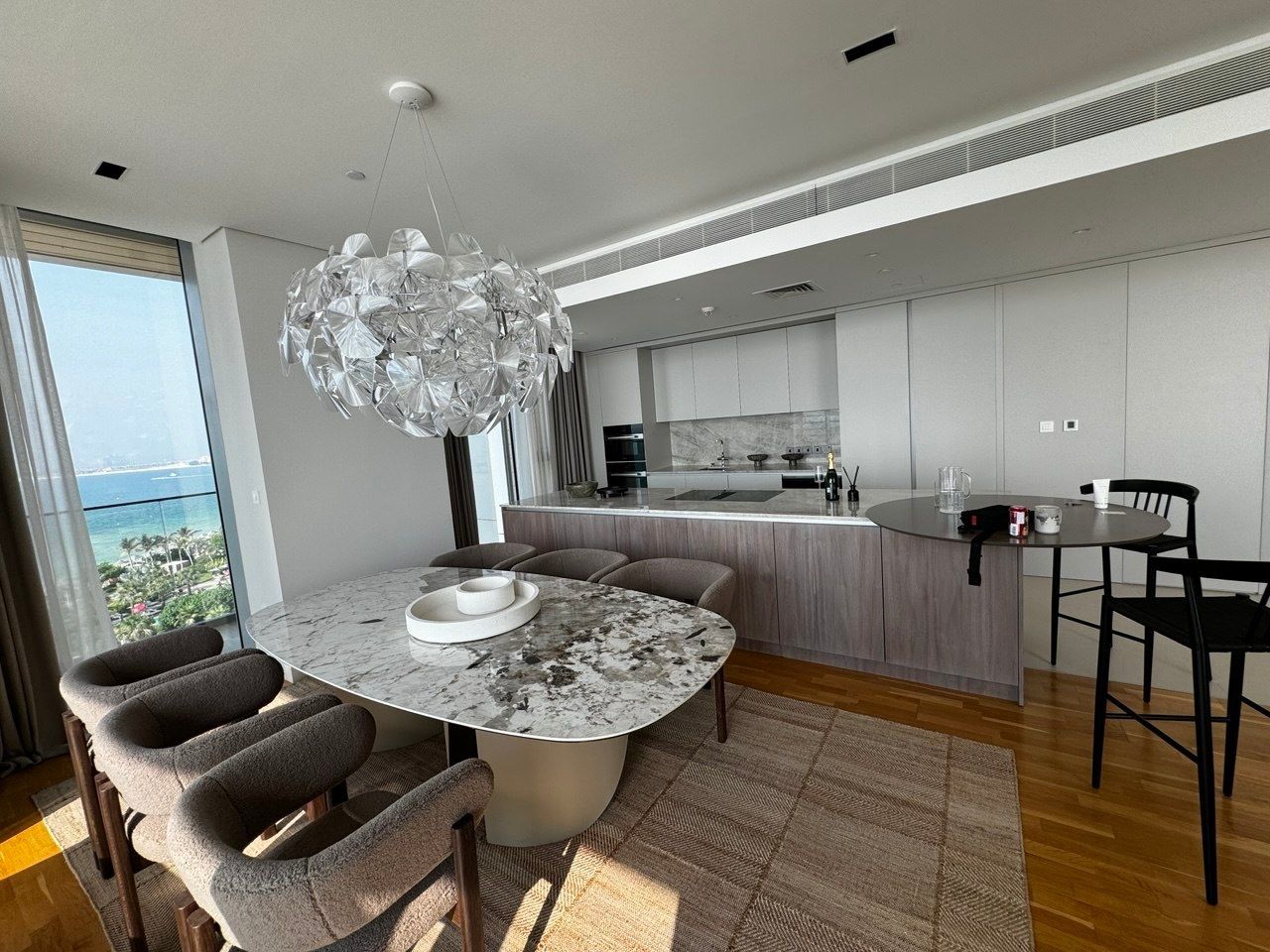
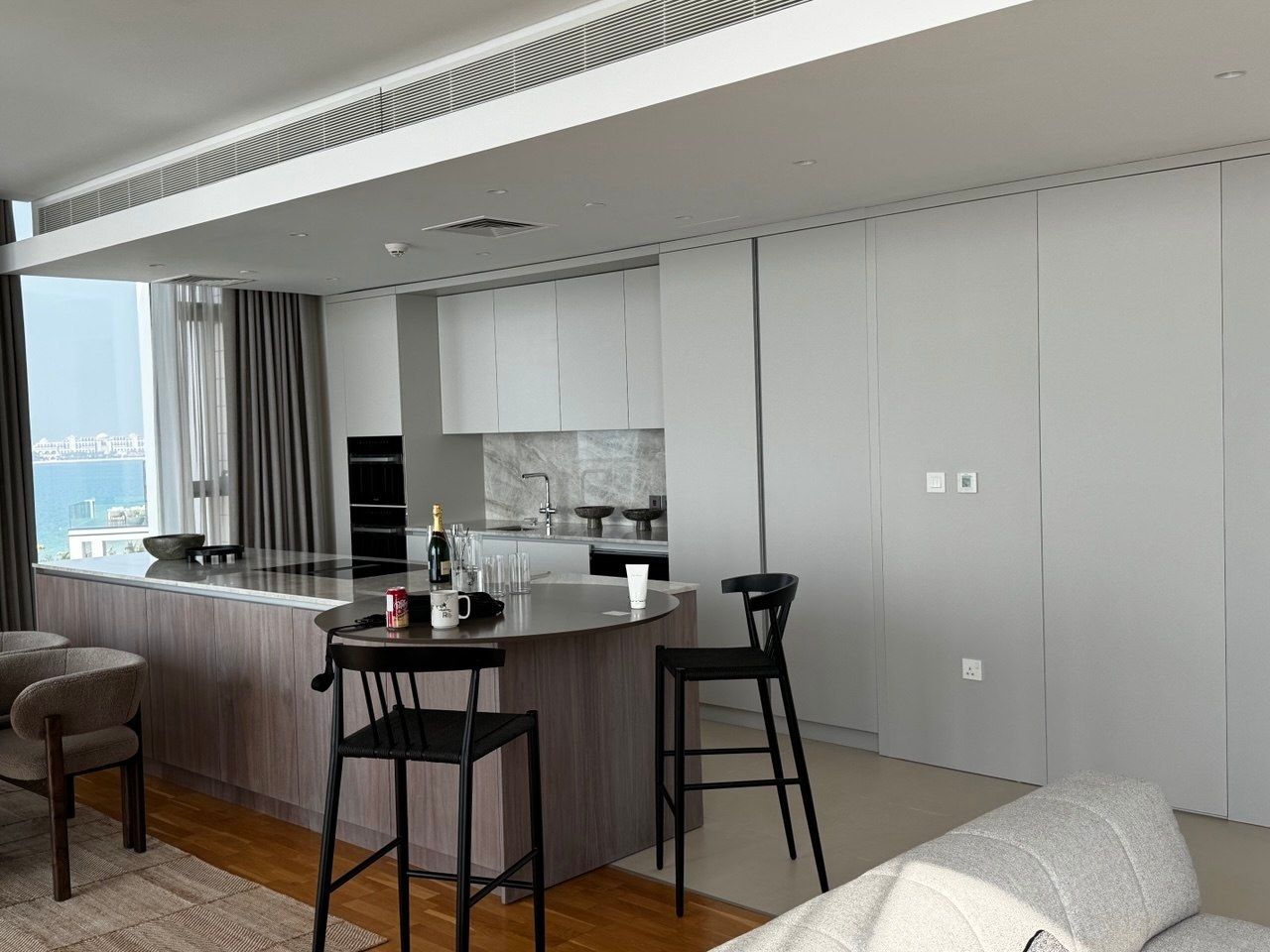
In a waterfront villa the view does much of the work. Layouts that open living areas towards the water, sightlines kept clear of tall furniture, and joinery that sits low under windows let the sea lead the room.
Lighting should balance bright daylight from the water with a calm evening scheme. Indirect light from cornices and coving, warm colour temperatures, and paint colours tested against reflected light help rooms feel settled at every hour. We test Little Greene colours in the villa itself, because sea light changes how they read.
Textile walls and joinery for waterfront homes
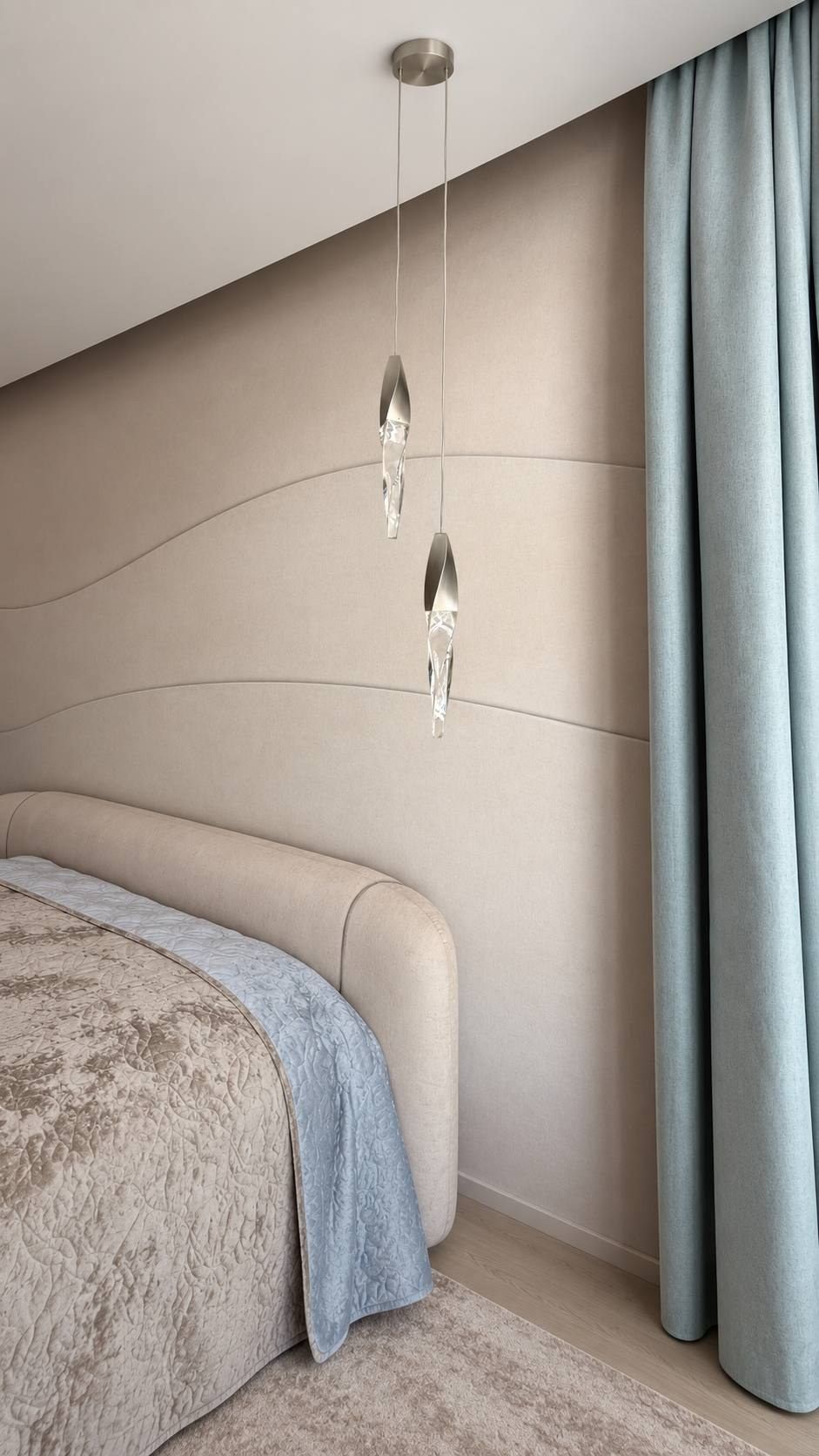
Architectural textile walls soften sound in large rooms with hard stone floors and high glazing, and add warmth that suits a seaside home. Fabric and backing are chosen for light-fastness and humidity, and placed with sun exposure in mind.
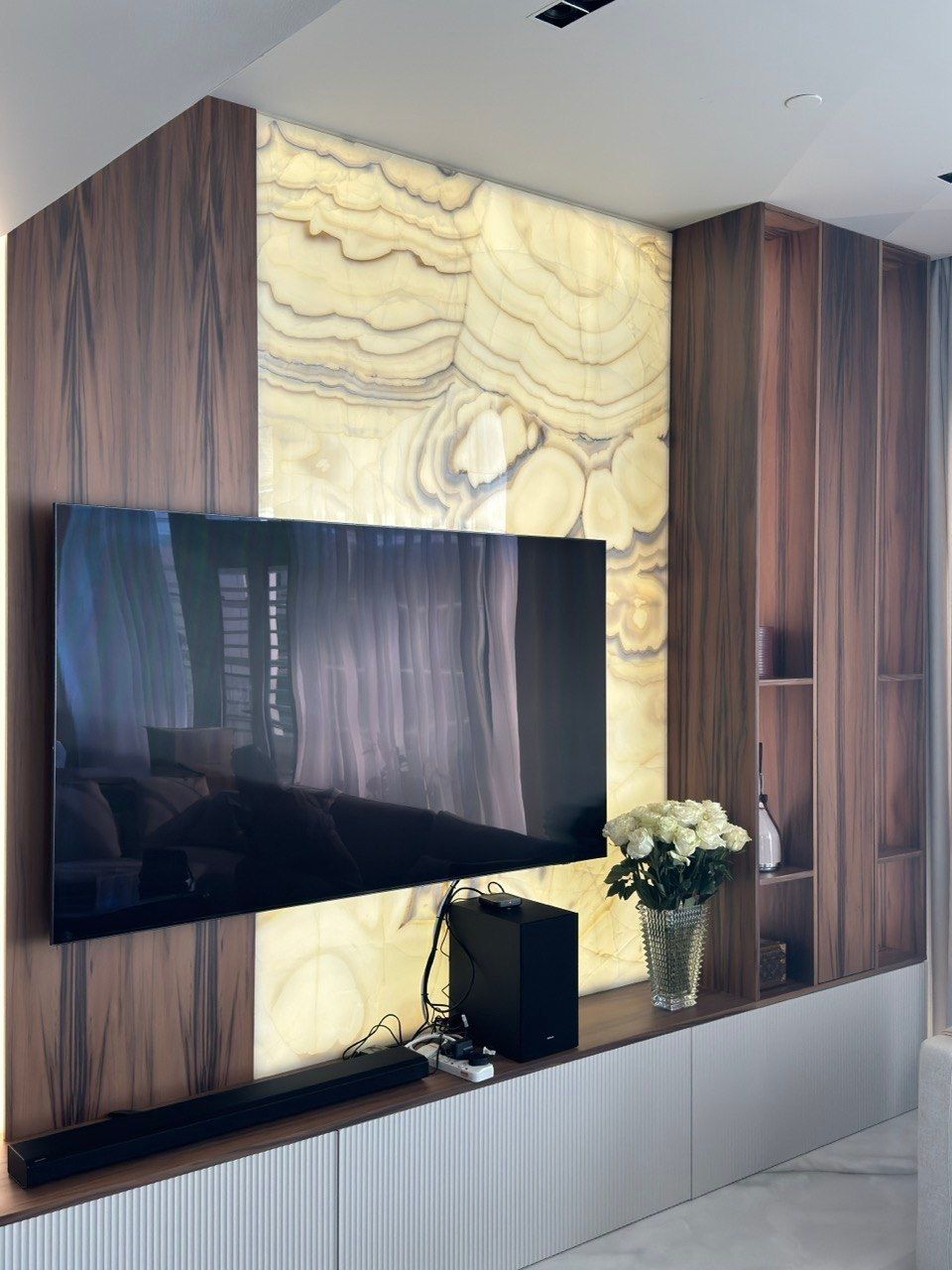
Bespoke joinery, from wardrobes to panelling and TV walls, is designed for the climate: stable board and veneer, finishes suited to sun and humidity, and coastal-grade hardware where needed. Our showroom holds samples of wood, stone, textile wall fabrics and joinery finishes so you can compare them in person.
DI&ME on Palm Jumeirah
Our work on Palm Jumeirah includes the 22 Carat Villa, interiors at W Residences and an apartment at the Royal Atlantis. Work on the island raises the same practical questions each time: approvals, access, coastal exposure and the level of finish owners expect.
Every frond project starts with a site survey. From it we prepare a scope, an itemised, transparent estimate and a dated programme. Custom projects start from AED 100,000.