Which works you can usually live with
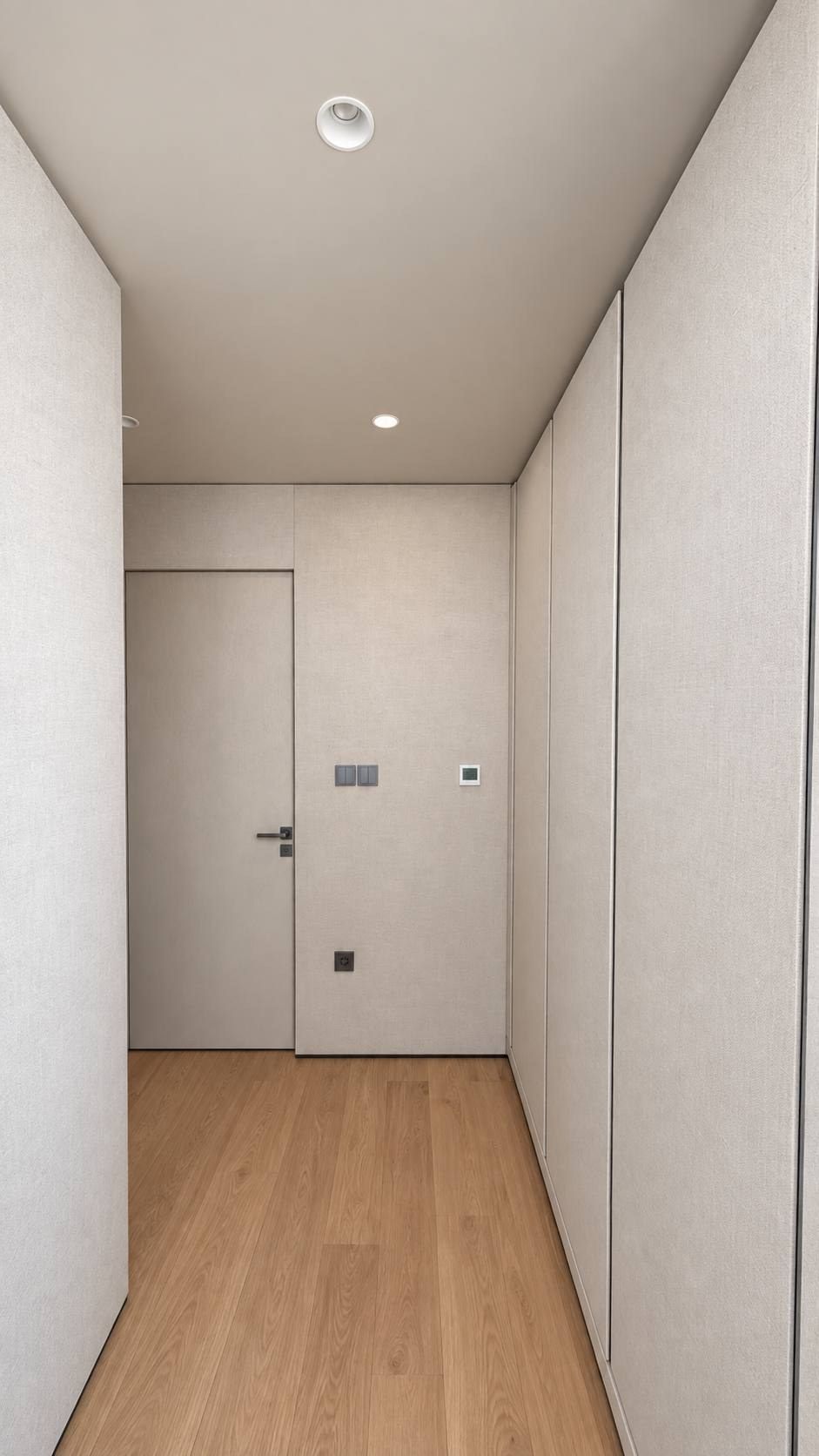
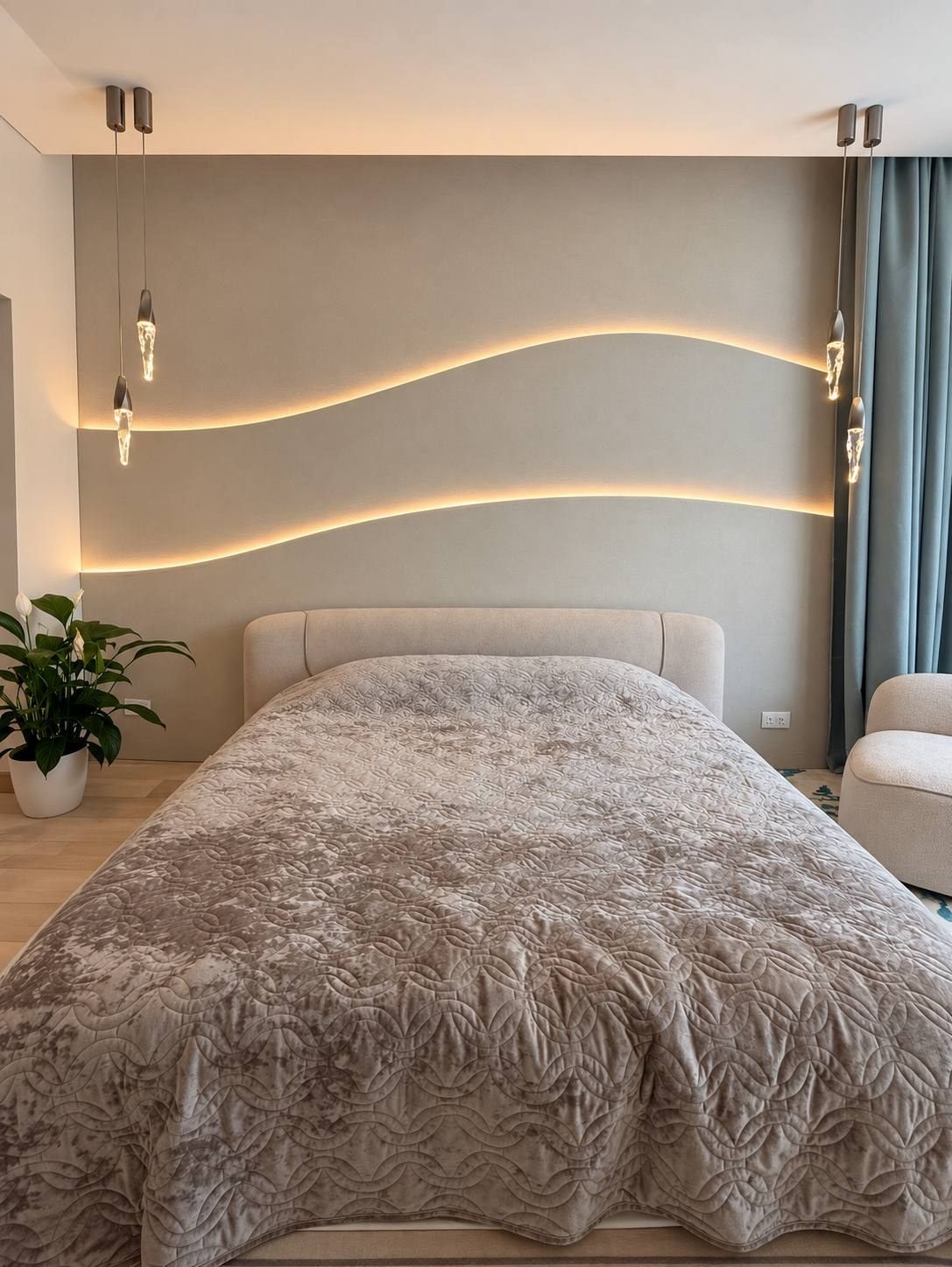
Work confined to some rooms, with no change to the main services, is the easiest to live alongside. Painting, wall panelling and mouldings, fitted wardrobes, parquet in bedrooms and textile walls can often be carried out while the family uses the rest of the villa.
It becomes harder when the works touch what the whole house depends on: the main electrical distribution, water supply and drainage, or air-conditioning. Turning these off, even for short periods, affects every room, and that is often the deciding factor.
Zoning the villa
The first step is to divide the villa into a living zone and a works zone, with a clear line between them. In a two-storey villa this might mean the family lives upstairs while the ground floor is renovated, or the reverse.
The works zone needs its own access, ideally through a garage, service door or garden, so trades and materials do not pass through the living zone. Where this is not possible, a protected route with floor and wall protection is agreed and kept clean.
Zoning also has to suit the services. If one distribution board or one set of air-conditioning units serves both zones, work on them will reach the living side as well, so the zones are drawn with the drawings of the existing services in hand.
Dust, noise and air
Demolition, cutting stone and sanding generate fine dust that travels further than most owners expect. Sealed temporary partitions, covered doorways, and planning which air-conditioning units serve which zone help keep it out of the living space.
Noise follows community and building rules on working hours, but even within those hours it is tiring at home. Noisy stages such as demolition and chasing for new services are worth scheduling around the household’s routine, or for periods when the family is away.
Kitchens and bathrooms
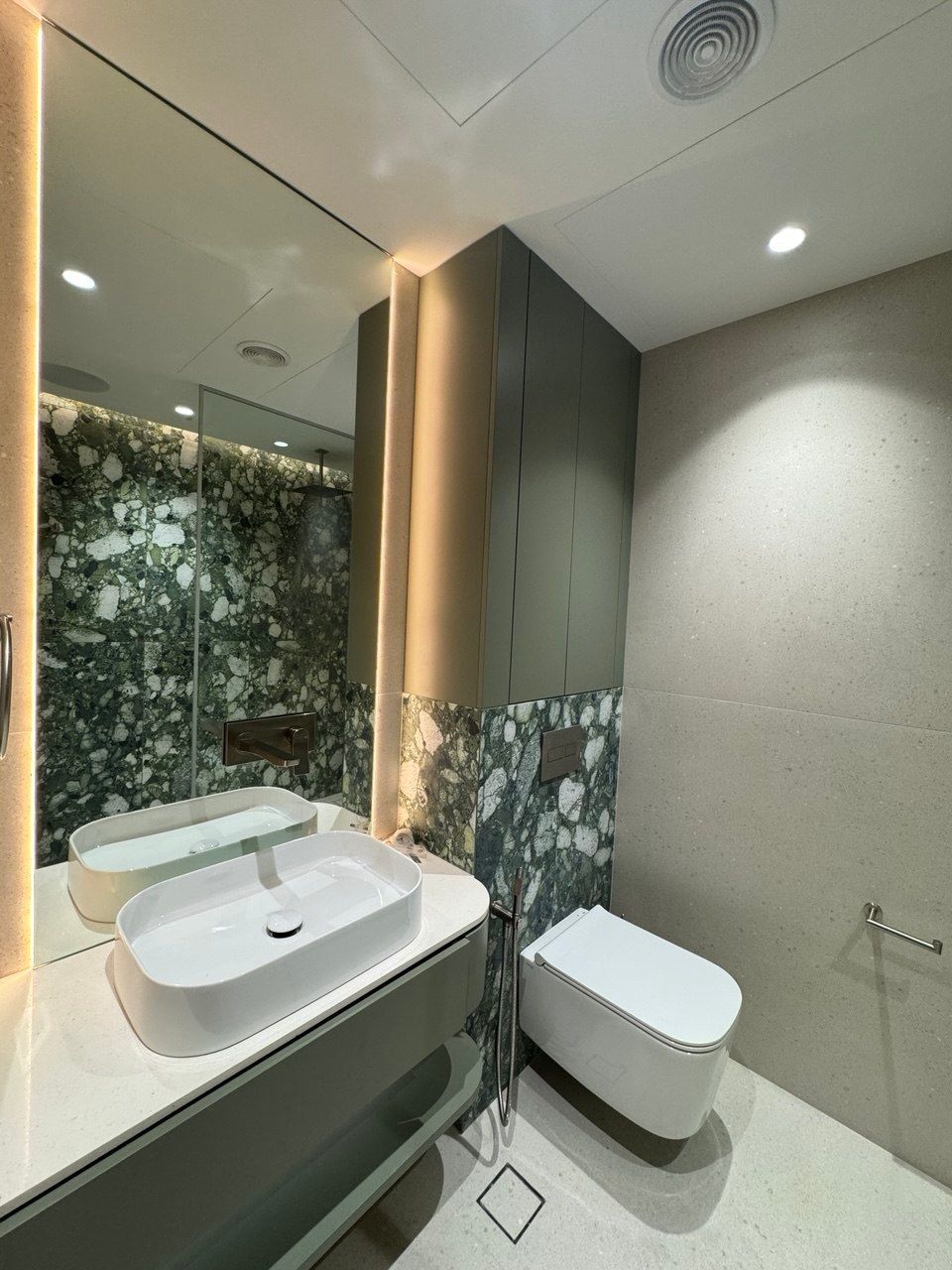
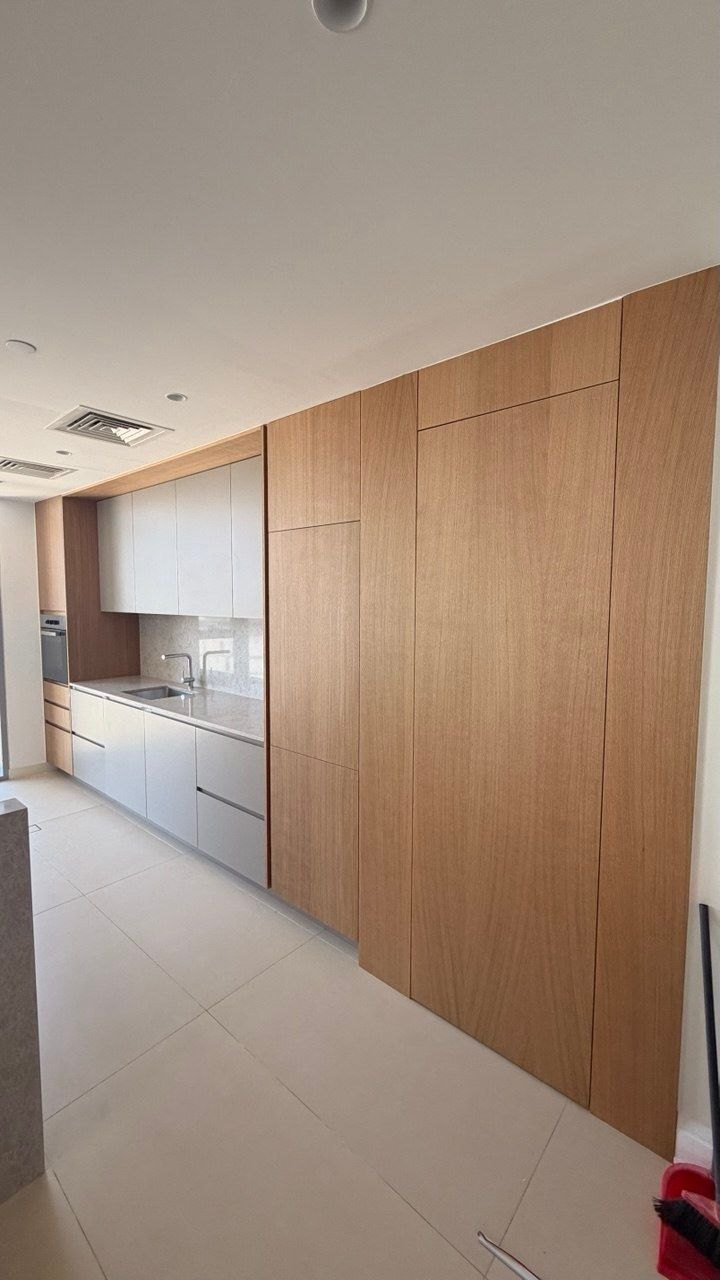
A kitchen renovation removes the room a household relies on most. If you stay, plan a temporary kitchen in another area with basic appliances and a nearby water point, and accept that the arrangement will be basic for a while.
With bathrooms, the question is whether at least one stays usable throughout. In most villas that is possible if the bathrooms are renovated in sequence rather than together, and if the drainage and water works allow it.
Safety, children and pets
A renovation site is a workplace, with tools, cables, open floors, materials and deliveries. The works zone must be closed to children and pets, with doors or barriers that stay shut and a clear rule that family members enter only with the site team.
Pets can be unsettled by noise, strangers and open doors, and cats in particular can slip out or hide in the works area. Consider a quiet room for them, or a stay with family or a boarding facility during the noisiest stages.
Agree with the site team how gates, the front door and garden access are managed each day, and where deliveries are left. Small routines, such as checking doors at the end of each working day, prevent most incidents.
Phasing the work, and when moving out is better
Phasing lets a family stay by finishing one zone, moving into it, and then starting the next. Services need to be designed for the whole villa first, so later phases connect to what is already finished without opening it up again.
Moving out is usually the better choice when the scope includes MEP replacement across the villa, structural or layout changes on every floor, or a full kitchen and all bathrooms at once. It also makes sense when someone in the household is sensitive to dust or noise. Living elsewhere often allows the work to be organised more efficiently, which can offset part of the cost of temporary accommodation.
How DI&ME plans it
At the site survey we ask whether you intend to stay, and design the programme around the answer: zones, access routes, which services stay live, and the order of rooms. You receive a dated programme that shows when each part of the villa is affected.
Joinery and wall panels are made at our own production facility in Dubai Investments Park, so a large part of the work happens off site and is installed by our own team. On site, a project manager keeps the protection, cleaning and working hours agreed with you.